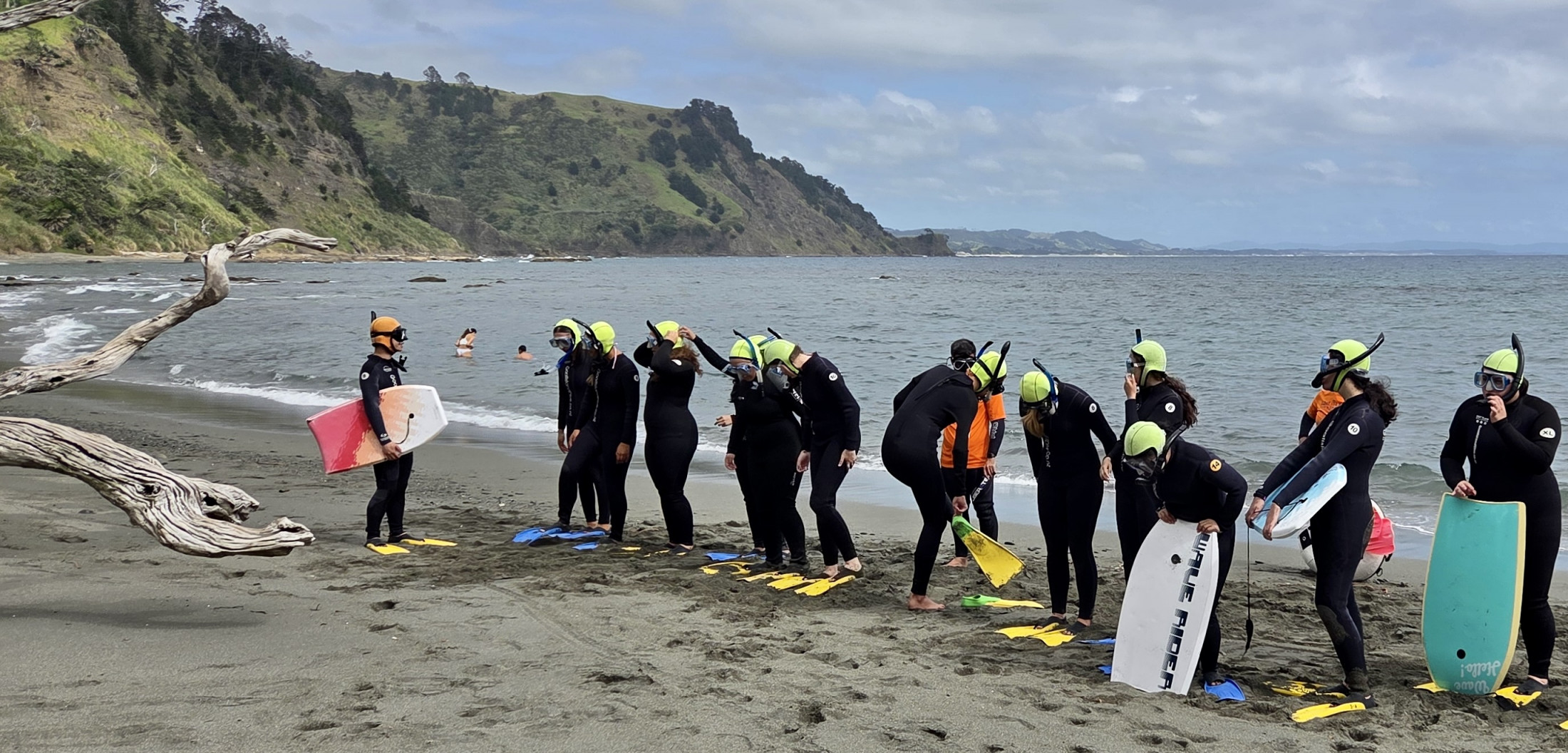
Our Level 2 Biology students recently traded the classroom for the coastline, heading to the Goat Island Marine Reserve for a day of immersive field research.
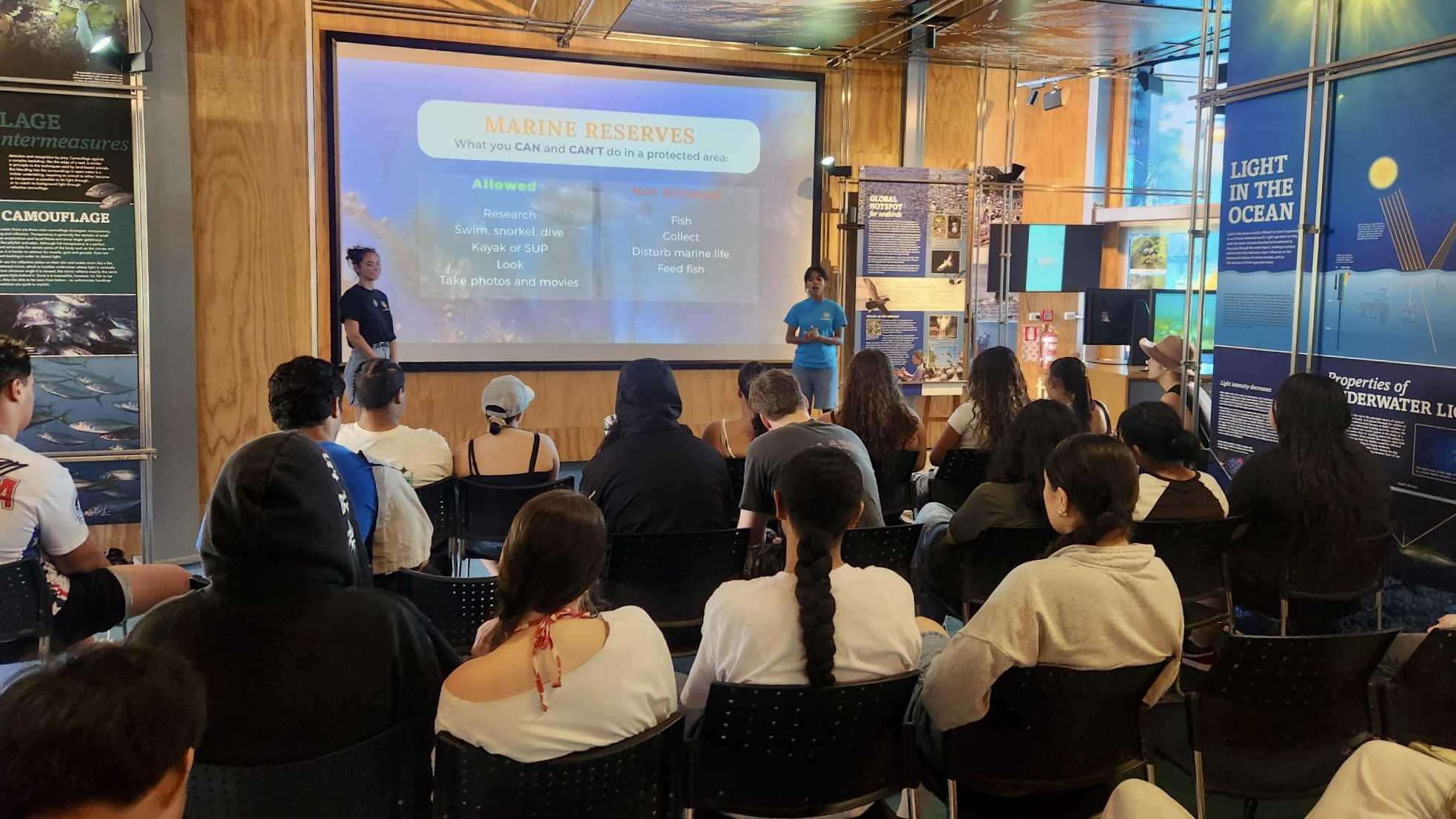
The trip provided a hands-on look at Achievement Standard 91158, allowing students to investigate a critical ecological phenomenon: the trophic cascade.
By comparing data from both inside and outside the marine reserve, students observed firsthand how human activity can reshape an entire ecosystem. They explored how the removal of top predators through fishing can trigger a "cascade" effect—leading to an explosion in herbivore populations (like kina) and a subsequent decline in kelp forests.
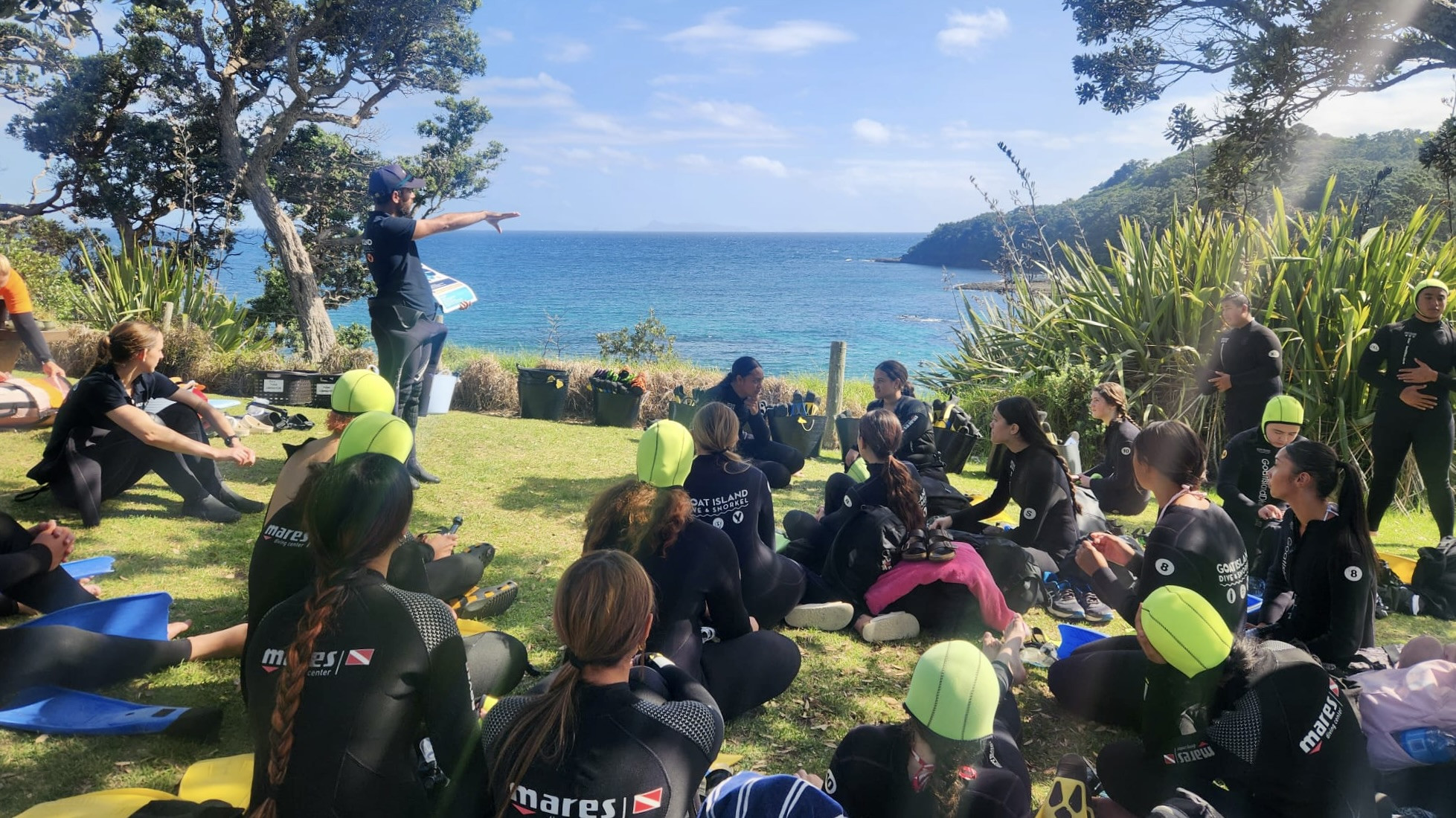
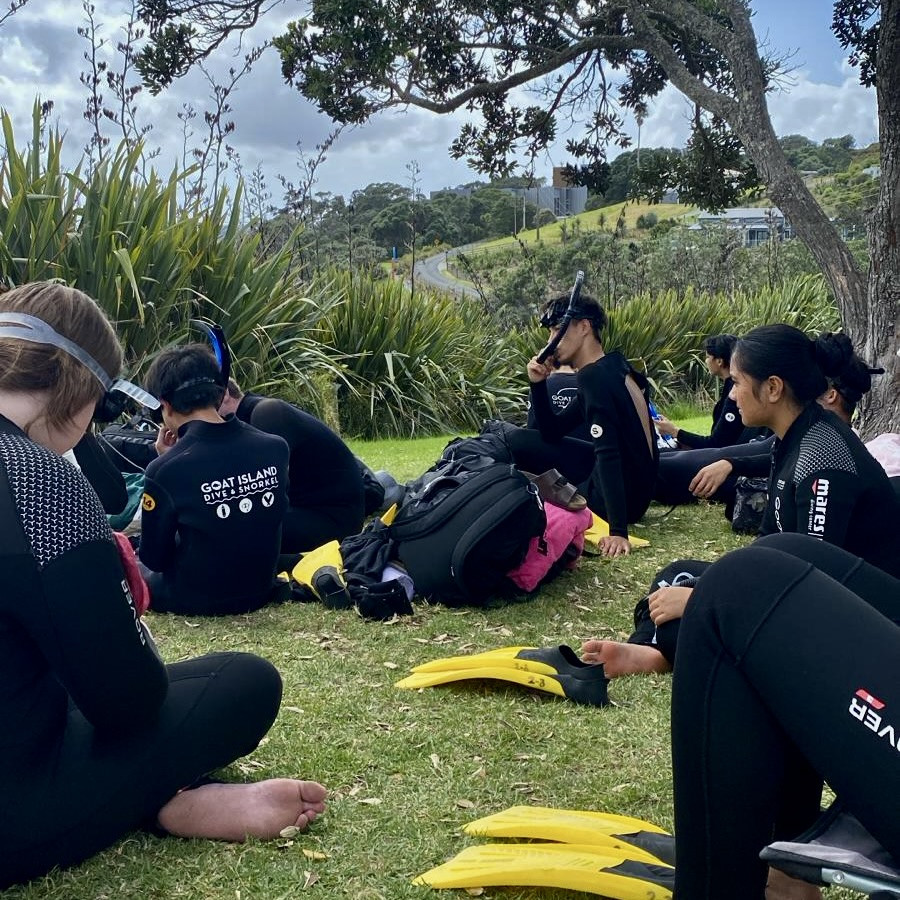
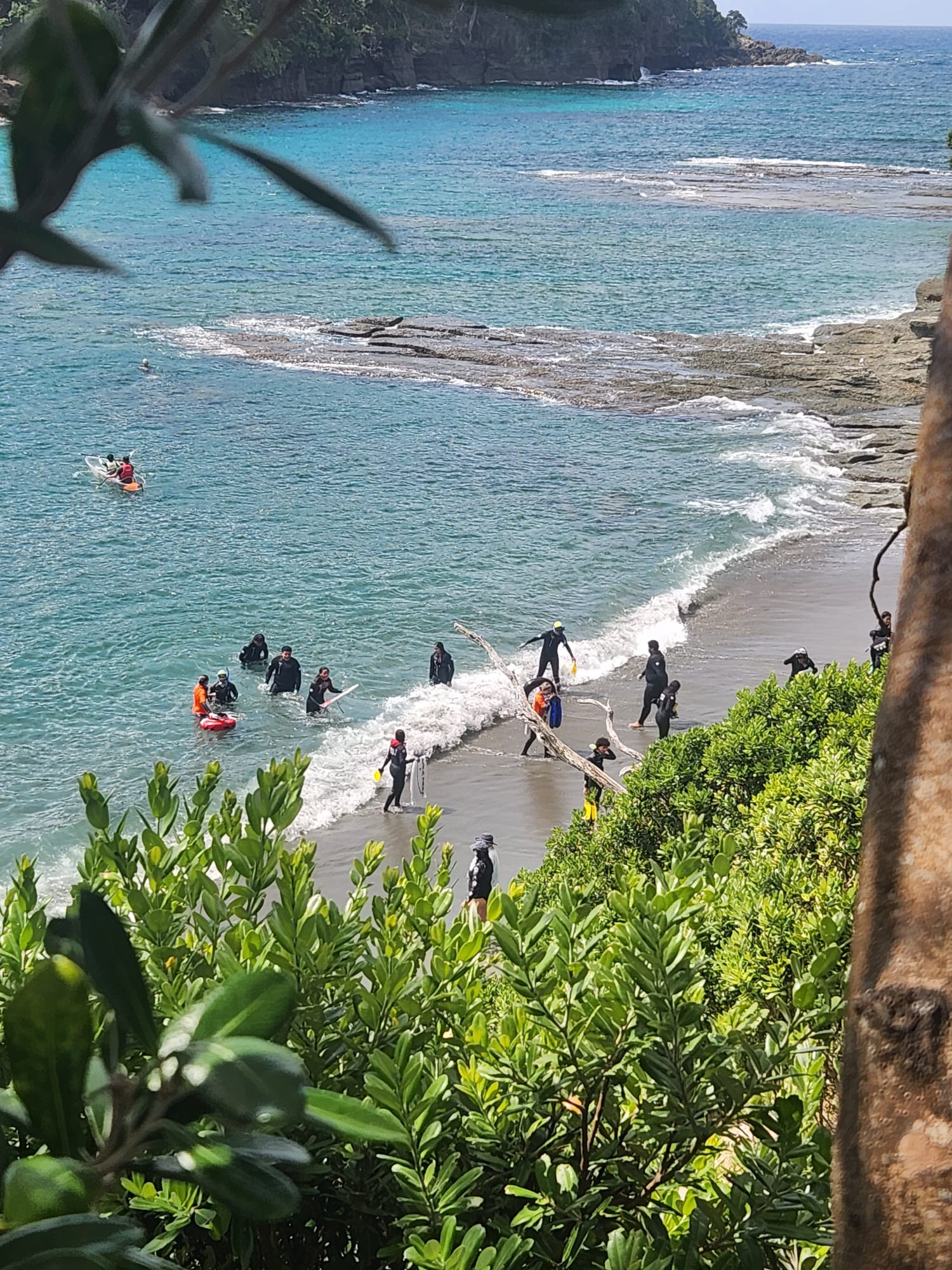
Students donned wetsuits and snorkels to observe fish in their natural, protected habitat. For many, the highlight was seeing large snapper and graceful eagle rays—species often only encountered in textbooks—swimming just inches away.
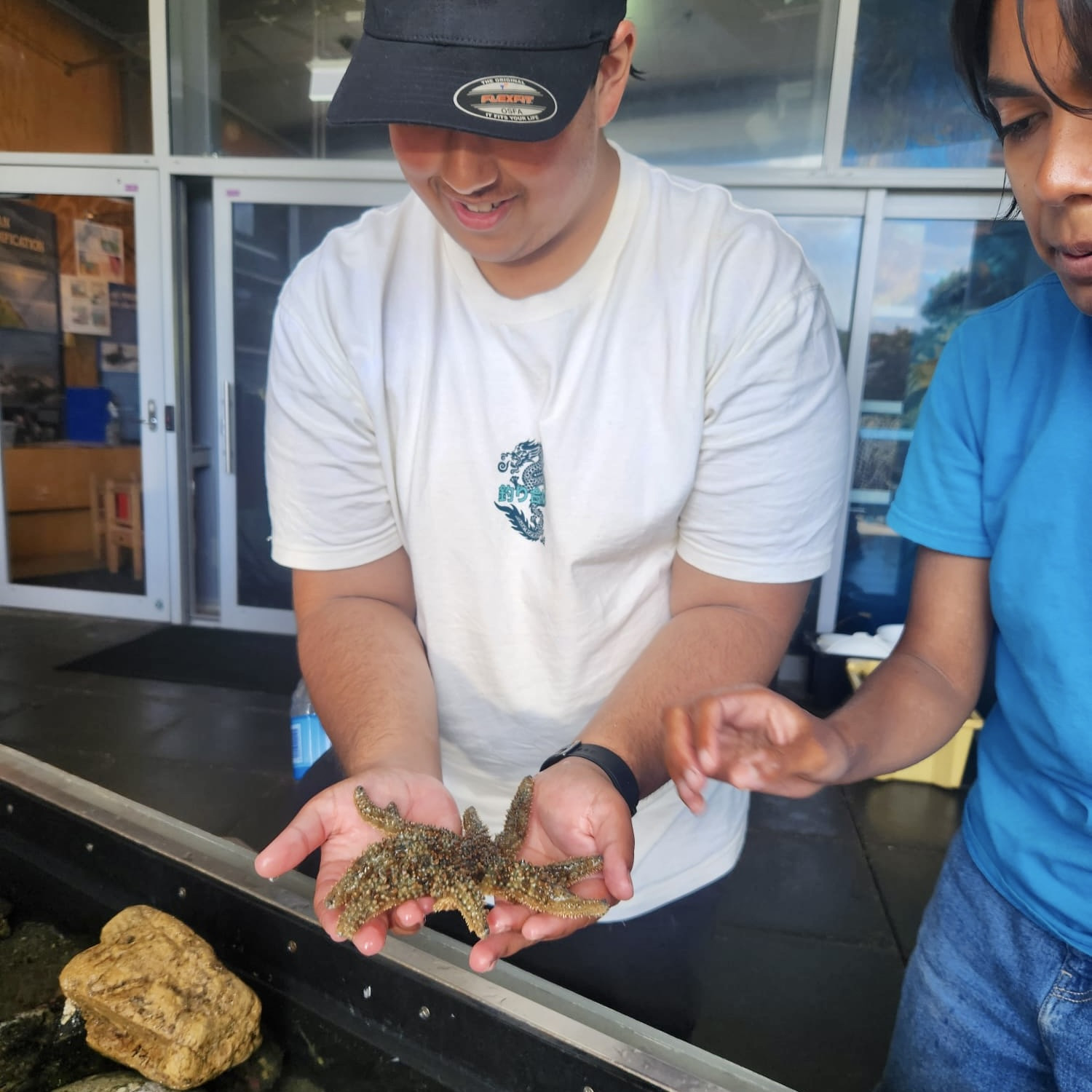
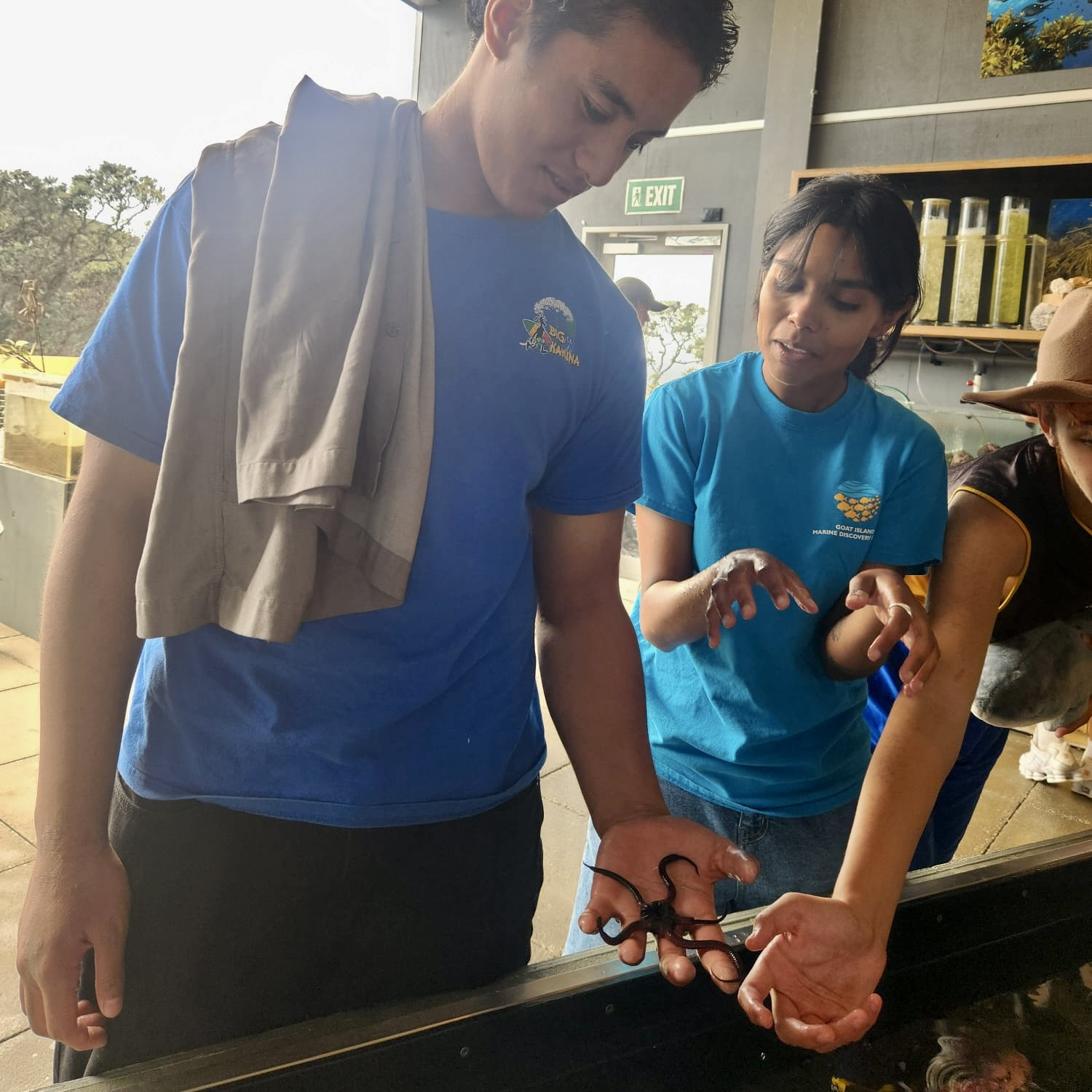
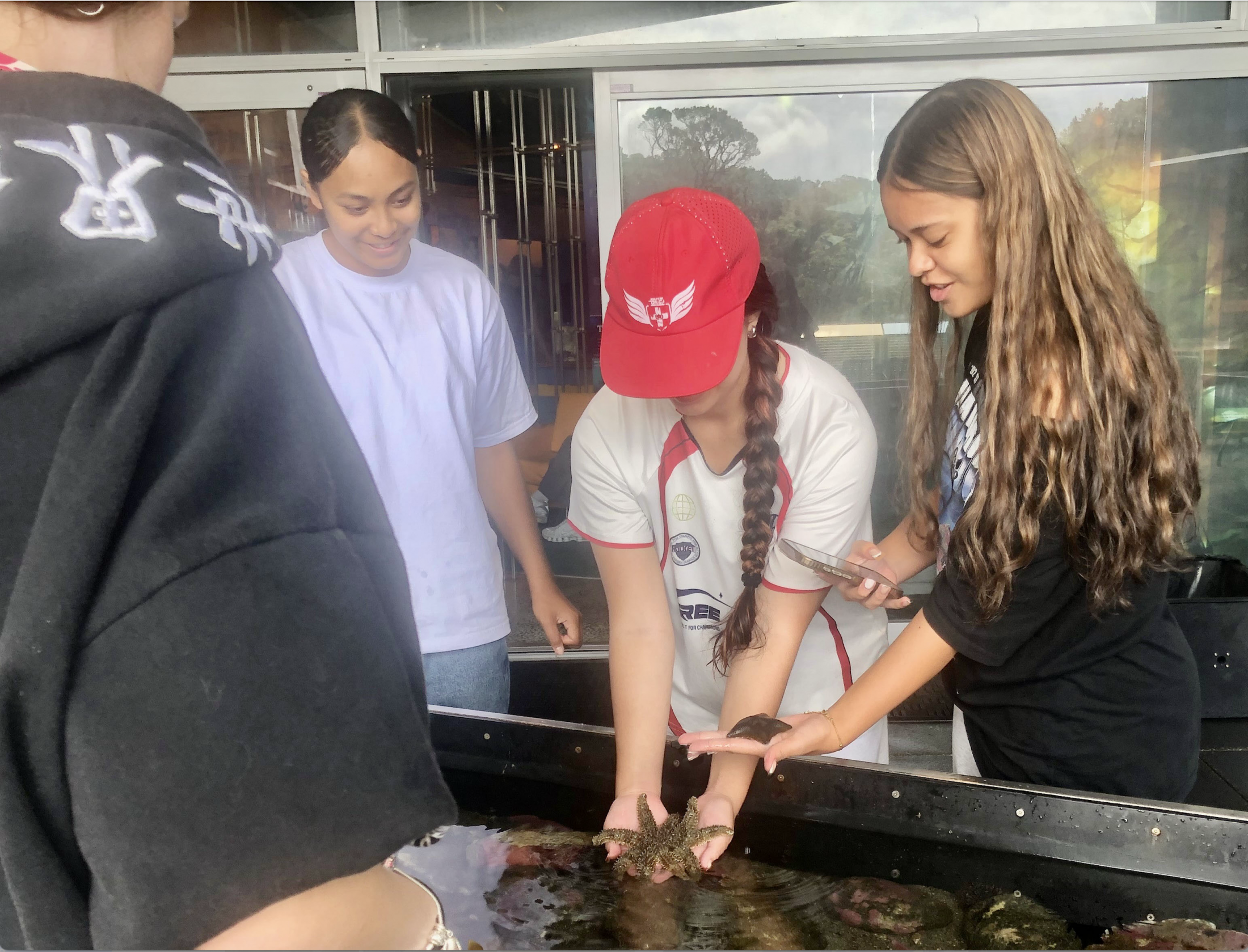
Inside the Discovery Centre, students were allowed to get "up close and personal" with marine organisms, helping them understand food webs and the delicate balance between predators, herbivores, and producers.
Seeing science "come alive" in the moana provided a memorable experience that connected classroom theory to the real-world health of our oceans.